Green Infrastructure: Enhancing urban health and social well-being
Ghida Sbeity | 27 May, 2020


Environmental
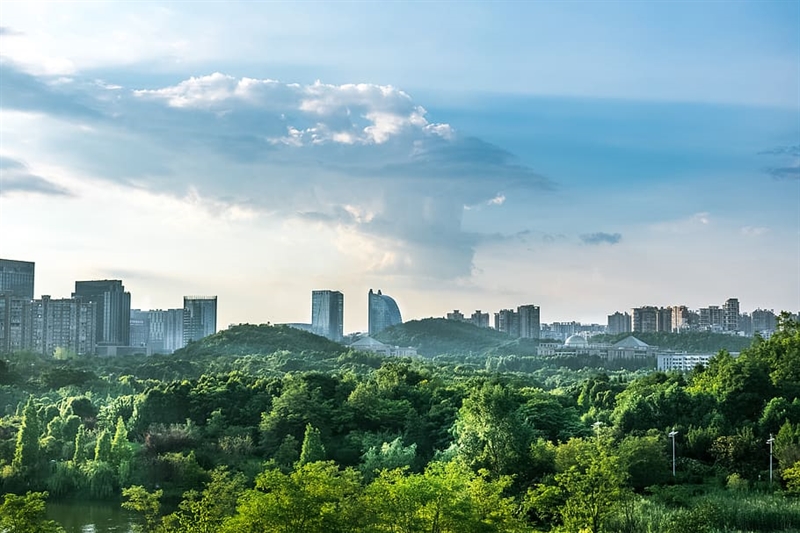
Green infrastructure is an excellent tool to promote urban health and social well being in car-free zones. It can be implemented disregarding scale and connection, providing health benefits and a significant contribution to the urban environment and its citizens, in addition to the enhancement of the community’s aesthetics. In fact, patches, corridors and matrices are considered components of landscape and green infrastructure.
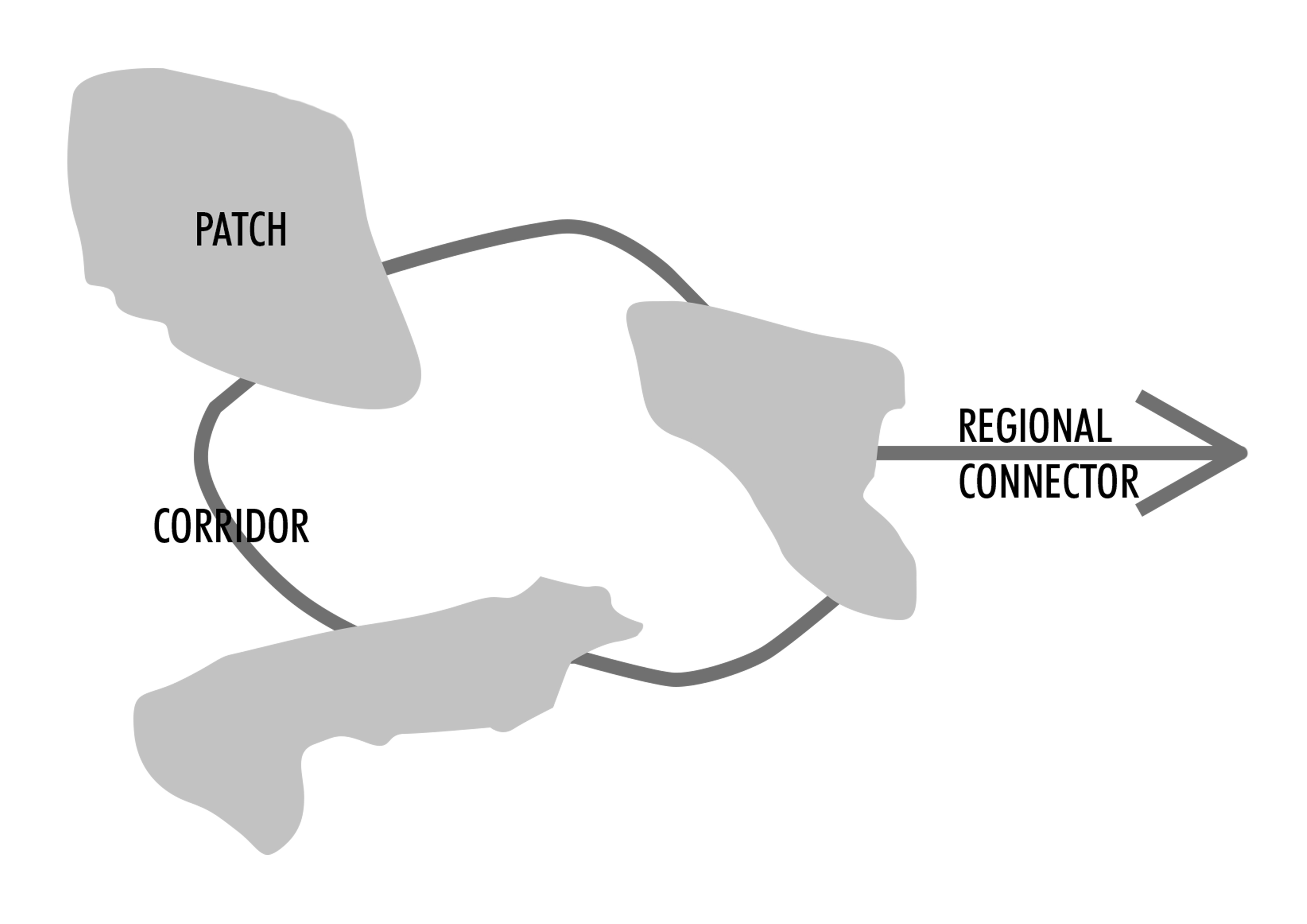
The relationship between patches and corridors represent an abstract green infrastructure matrix. This matrix constitutes of interlocked nodes and connectors that forms a large scale and regional green infrastructure components. The presence, access and exposure to green infrastructure highlight these health benefits (Coutts and Horner 2015).
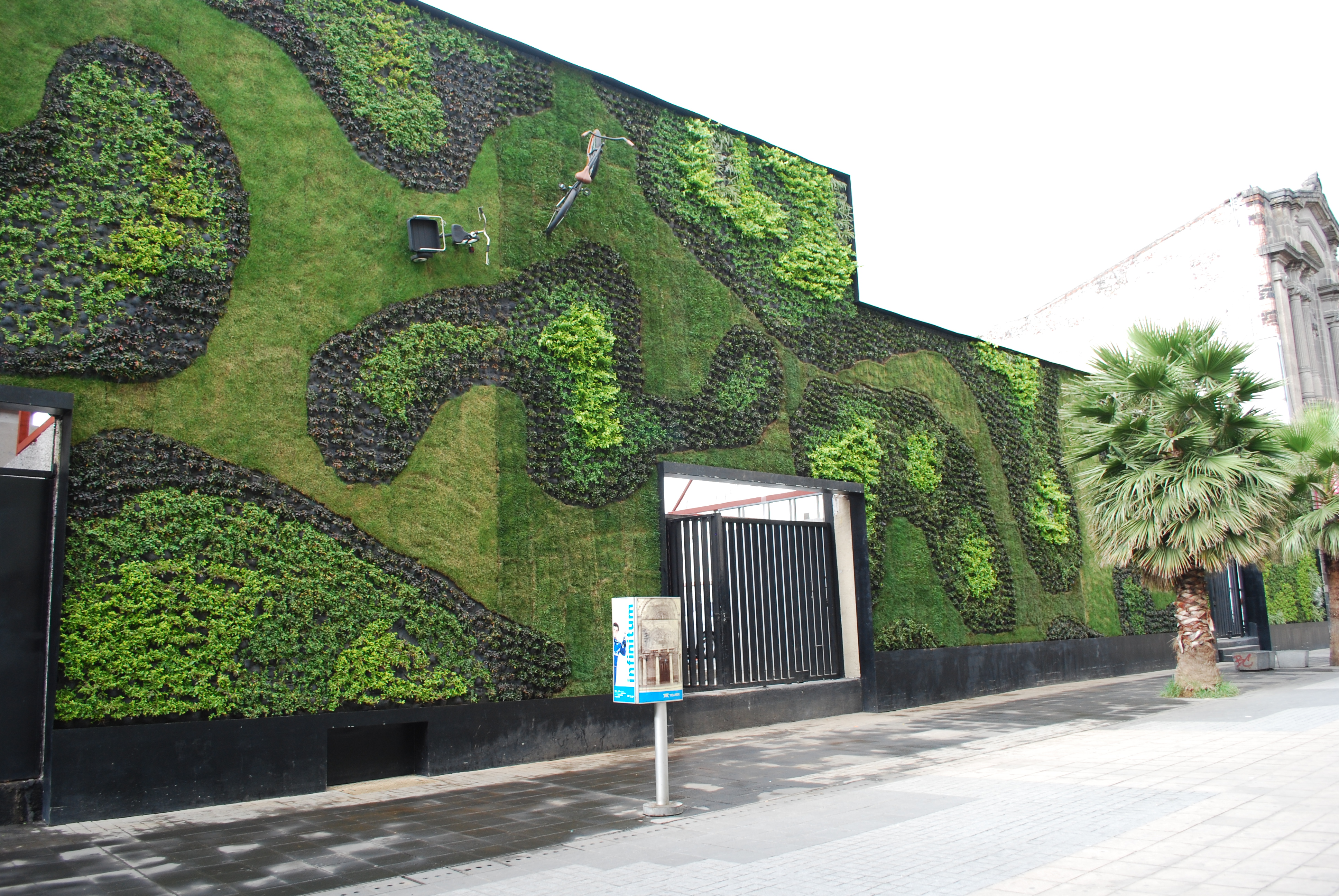
First, the presence of green infrastructure in the landscape affects the health of individuals’ environment. Moreover, green infrastructure must be implemented where the citizen’s daily activities occur in order to access it easily. This will increase the opportunities for physical and social activities from a health behavioral perspective. Green infrastructure is characterized by several components respectively on various scales: building, street, community, regional and global scale. This allows diversity and richness in the urban environment. It can be implemented in different ways in these car-free zones: horizontally, such as sidewalks and green roofs, or vertically, such as green walls.
In all ways, this will contribute to support the individual and collective public health. In addition to scale, the green infrastructure planning and design principles demonstrate multifunctionality, connectivity, habitability, resiliency, identity and return on investment; moreover, provide health co-benefits (Rouse and Bunster-Ossa 2013). Mentioning the most effective one on health, habitability consists of available spaces in car-free zones for recreational activities such as walking, jogging and playing which contribute to mobility, vitality and active living (Coutts 2016). These activities enhance social interactions that foster social capital and community identity.
Eddie N
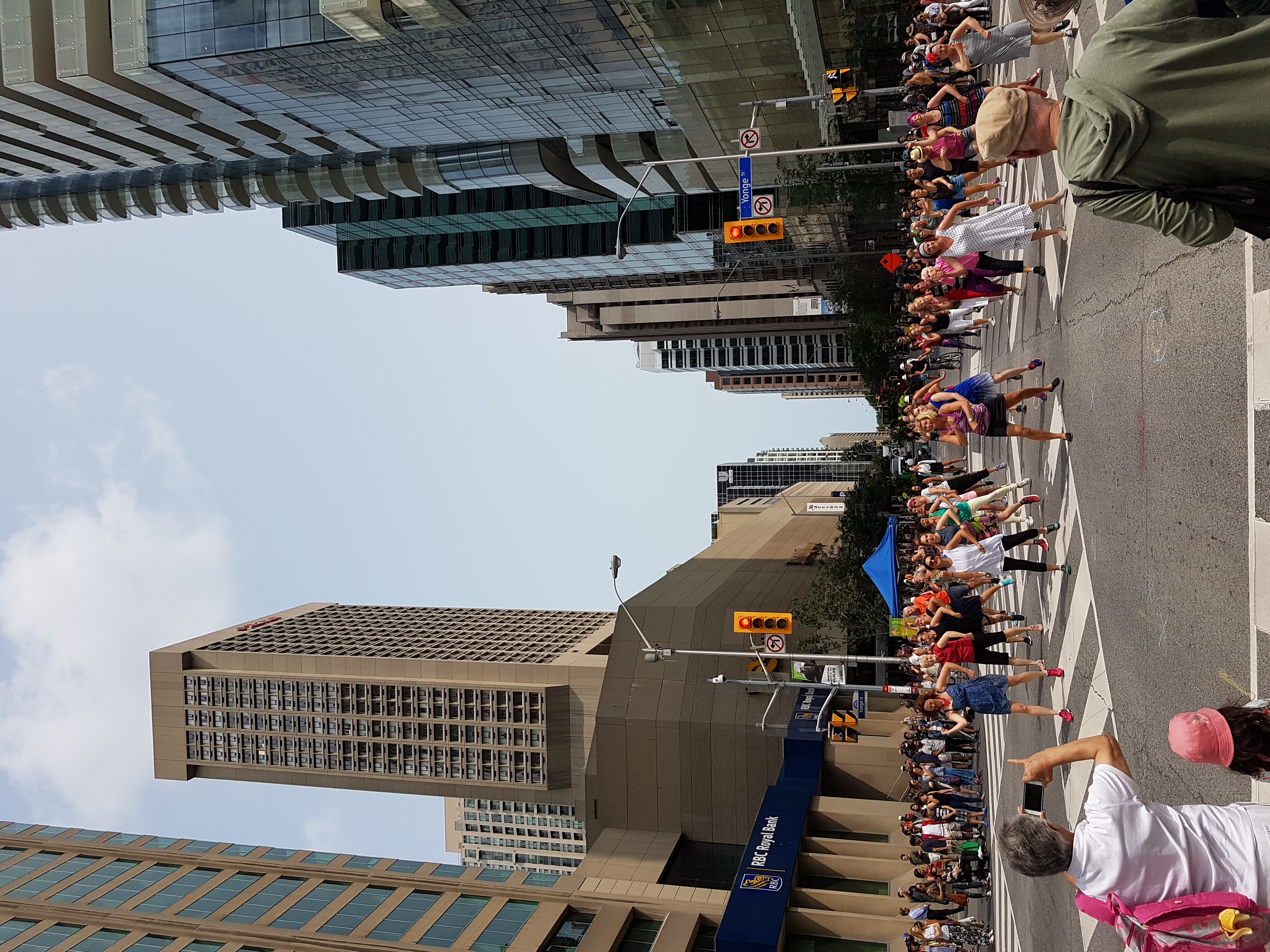
Green infrastructure achieves physical and mental well-being. As Sallis, Brauman and Pratt point out; green infrastructure can be implemented in a way to offer space for physical activities (Sallis, Bauman and Pratt 1998). This environment includes inviting and accessible public spaces where physical activities can be performed. It acts as a barrier to industrialization and it maximizes the urban resident’s sense of well-being. According to Ulrich and Parsons, open spaces boost emotional well-being, reduce stress and improve mental and physical health. In fact, car-free zones pave the way for a healthy urban living (Ulrich and Parsons 1992). Hamra, one of the most vibrant neighborhoods of Lebanon, retains a large number of open spaces currently used as public parking lots.

Fadi Rostom
As a suggestion, the pedestrianization of Makdessi Street will induce a sustainable urban mobility as it increases the physical activity of Beirut citizens. This enables users to practice sports on their way to their daily destinations, which alleviates their fitness levels. That is in contrast to current situation of Hamra, in which room for outdoor physical activity is limited. In addition, the car-free system secures a significant amount of open spaces that can be reformed into community open spaces.
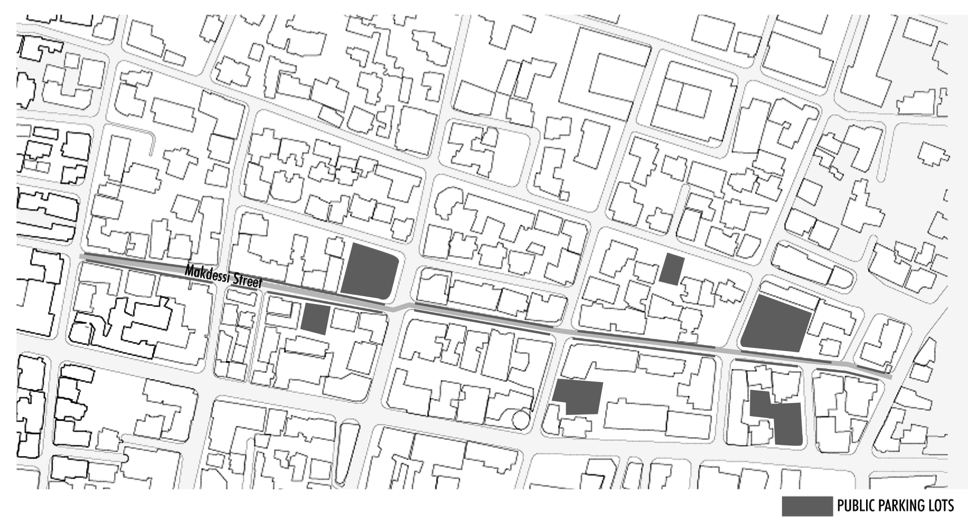
This map shows the existing parking lots in Makdessi Street. These lots, in addition to the sidewalks and parking spots on the streets, have an opportunity to provide public community spaces. As Crawford states, extreme cases of car space consumption reach up to 70 percent in some downtowns of American cities (Crawford 2000). This space can be alternatively used for public parks in which the implementation of green infrastructure supports physical activities that prevent many diseases.
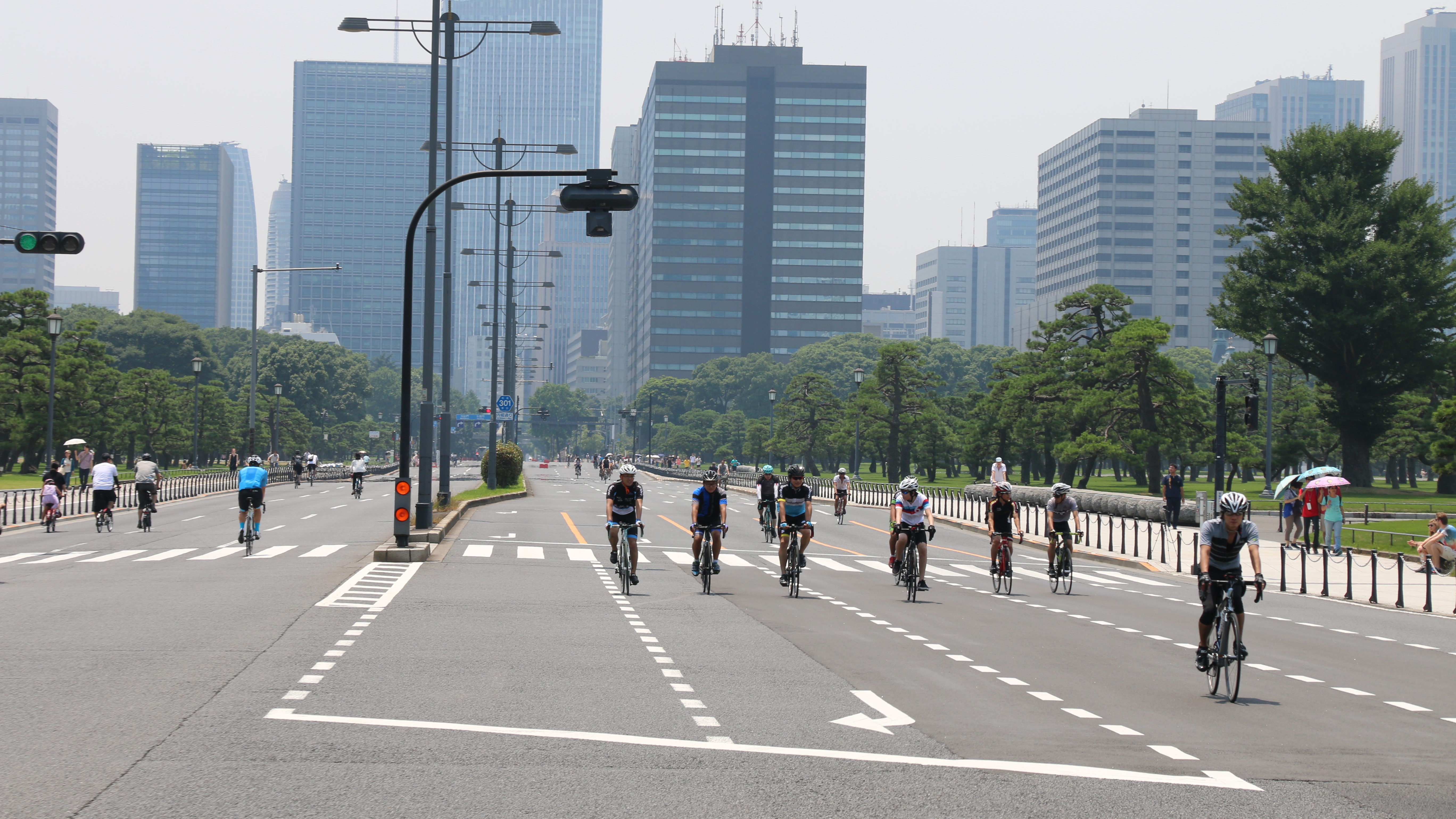
On the other hand, green infrastructure enhances social capital according to the relationship provided between the social and physical environments. In fact, the residents’ actions affect the environment, and the environment influence human health. Therefore, human, environment and public health are co-related and dependent on each other. As Cooper, Arber, Fee and Ginn stated, the social capital constitutes of four different categories: social, collective, economic and cultural resources (Coutts 2016). These categories show the importance of green infrastructure on social health. The implementation of green infrastructure in car-free zones offer physical environment that boosts the social interactions, social networks and preserve the social capital. It acts as an inviting meeting space for the community. Green infrastructure is also important on an ecological level since Proctor mentioned that environmental values are socially constructed, and as mentioned before green infrastructure enhances social capital and human health (Proctor n.d.). Hence, green infrastructure contributes to the health and quality for communities and people. It creates stronger communities, stable ties among residents and a feeling of safety. Since pedestrianization offers the chance for on-street socialization, this will result a highly sustainably mobile environment. According to a case study implemented in Floridsdorf, Vienna, people in car-free settlements have more than twice the number of friends in normal settlements with this system (Kushner 2005). Therefore, the implementation of this project in Makdessi Street will increase the number of social interactions and establish a sense of community. Hence, green infrastructure promotes a healthy social environment.